
7 Mistakes You’re Making After a Car Accident in Baton Rouge LA
Why Choose Chiropractic Care in Baton Rouge LA

A car accident can leave you feeling shaken, sore, and unsure about what to do next. You may be focused on your vehicle, insurance information, or getting back to work. It is easy to overlook your health.
Some collision-related injuries are noticeable right away. Others may develop hours or days later. Neck stiffness, headaches, back pain, shoulder discomfort, numbness, and limited movement may not appear at the scene.
Here is what you need to know: Taking the right steps after a car accident in Baton Rouge LA may support your recovery and help you understand your care options.
At Capitol Spine & Rehabilitation, we provide gentle, non-surgical care for people dealing with auto accident injuries, whiplash, back pain, disc concerns, and soft-tissue injuries.
Mistake #1: Assuming You Are Fine Because You Feel Fine at the Scene in Baton Rouge LA
Adrenaline can temporarily mask pain after a collision. You may feel normal immediately after the accident and notice symptoms later.
Whiplash happens when the head and neck move quickly forward and backward. This motion can affect the muscles, ligaments, joints, and other soft tissues in the neck and upper back.
Common delayed symptoms may include:
- Neck pain or stiffness
- Headaches
- Shoulder or upper-back pain
- Dizziness
- Tingling or numbness
- Limited neck movement
- Lower-back pain
- Trouble sleeping
- Fatigue or difficulty concentrating
According to the Mayo Clinic’s whiplash information, symptoms may not always appear immediately.
How to fix it:
Follow appropriate safety steps at the scene. Call 911 when someone is injured or the collision is serious. Then arrange a health evaluation as soon as you can, even if your pain seems mild.
Mistake #2: Waiting Several Days to Get Evaluated
One of the most common mistakes after a Baton Rouge car accident is delaying care. You may hope the soreness will disappear on its own. You may also worry that seeking help will be inconvenient. However, waiting can make it more difficult to understand what is causing your symptoms. It can also allow an injury to become more uncomfortable or affect your movement.
Prompt evaluation gives a qualified provider an opportunity to:
- Review how the accident happened
- Ask when your symptoms began
- Check your range of motion
- Evaluate your spine, joints, and soft tissues
- Recommend imaging when appropriate
- Create a personalized care plan
How to fix it:
Contact a healthcare provider promptly after a collision. If you already waited, do not assume it is too late to seek help. Schedule an evaluation and explain the accident date, your symptoms, and when those symptoms started.

Mistake #3: Ignoring New Neck, Back, or Joint Symptoms
It is understandable to hope that pain will go away. But new or worsening symptoms deserve attention. A collision can affect more than your neck. Some people experience injuries involving the:
- Lower back
- Mid-back
- Hips
- Shoulders
- Knees
- Wrists
- Ankles
- Muscles, tendons, and ligaments
A person may also experience disc-related symptoms, such as pain that travels into an arm or leg. You may notice discomfort when sitting, turning, lifting, walking, or sleeping.
How to fix it:
Write down what you are feeling and tell your provider. Be specific. Explain whether your pain is sharp, dull, burning, aching, constant, or occasional. Tell the provider what activities make it better or worse. You do not need to wait until the pain becomes severe before asking for guidance
Mistake #4: Missing Warning Signs That Need Emergency Care
Most post-accident discomfort is not an emergency. Still, certain symptoms require immediate attention. Call 911 or seek emergency care for symptoms such as:
- Severe or rapidly worsening neck or back pain
- New weakness in an arm or leg
- Significant numbness or loss of feeling
- Trouble walking or maintaining balance
- Confusion or loss of consciousness
- Sudden severe headache
- Vision changes
- Difficulty breathing
- Loss of bladder or bowel control
A chiropractic or rehabilitation consultation is not a substitute for emergency care. When symptoms are severe, sudden, or rapidly worsening, go to the emergency department first.
How to fix it:
Use caution and trust serious warning signs. After emergency concerns have been addressed, our team can help you understand appropriate non-surgical rehabilitation options.
Mistake #5: Failing to Document Your Symptoms
Pain can change from day to day. You may remember that you were uncomfortable, but forget important details about when symptoms began or how they affected your life. Keeping a simple record can help you communicate more clearly with your healthcare providers.
Your notes may include:
- The date of the accident
- When each symptom first appeared
- Your daily pain level from 1 to 10
- Activities that increase discomfort
- Sleep problems
- Missed work or changed responsibilities
- Medications or other care you received
- New symptoms or changes in movement
Keep copies of accident-related documents, including medical records, imaging results, bills, prescriptions, and the police report when available.
How to fix it:
Start a pain and activity journal today. Bring it to your appointments. Clear information helps your provider create a care plan based on your actual experience.
Mistake #6: Stopping Care as Soon as You Feel a Little Better
Feeling some improvement is encouraging. But stopping care too soon may leave underlying weakness, stiffness, or movement problems unaddressed. After a collision, your body may need time to restore mobility and strength.
A complete plan may include:
- Gentle chiropractic care
- Physical rehabilitation
- Stretching and strengthening exercises
- Education about posture and movement
- Digital X-rays when clinically appropriate
- Home-care recommendations
- Gradual return to normal activities
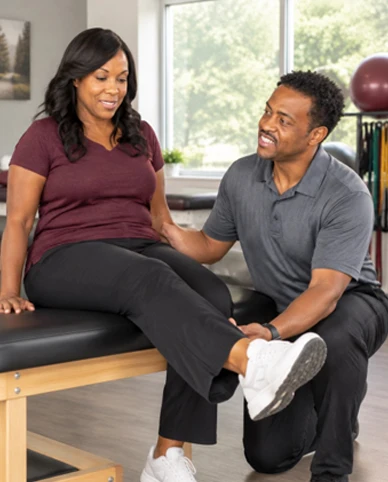
Our auto injury care program is designed around your symptoms, goals, and progress. We will explain each step and adjust your plan as needed.
How to fix it:
Follow the recommendations provided by your healthcare team. Attend follow-up visits, complete assigned exercises, and communicate if a treatment or activity causes new discomfort.
Mistake #7: Accepting a Quick Settlement Before Your Injuries Are Understood
Some accident-related symptoms develop slowly. If you accept a settlement or sign documents before your condition is fully evaluated, you may not understand the future care you could need.
This is not a reason to panic. It is a reason to slow down and make informed decisions.
Consider speaking with a qualified Louisiana personal-injury attorney before:
- Giving a recorded statement
- Discussing fault in detail
- Signing a release
- Accepting a settlement
- Making decisions about future medical expenses
Our team can provide healthcare information and document your symptoms and progress. We do not provide legal advice. For legal questions, consult an attorney familiar with Louisiana law.
How to fix it:
Focus first on your health and accurate documentation. Ask questions before agreeing to anything you do not fully understand.
What Treatment May Help After a Baton Rouge Car Accident?
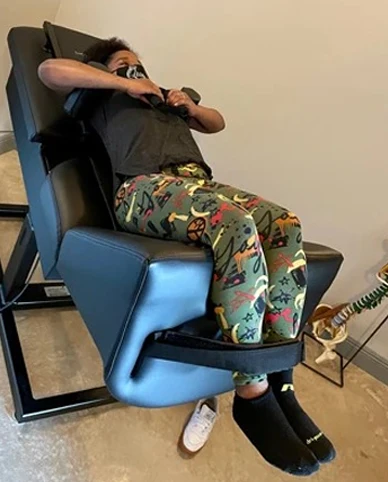
Your care should be based on an evaluation, your symptoms, your medical history, and your goals. Depending on your condition, non-invasive care may include chiropractic adjustments, physical rehabilitation, digital X-rays, or spinal decompression.
Spinal decompression may be considered for certain people with lower-back pain, neck pain, sciatica, bulging discs, or related disc concerns.
The Back on Trac device used for IDD Therapy is FDA-cleared for delivering Intervertebral Differential Dynamics Therapy. Clinic materials cite an 86–92% effectiveness rate for relieving neck and back pain; individual results vary, and treatment may not be appropriate for everyone.
Other services may include:
- Gentle chiropractic care
- Physical rehabilitation and exercise guidance
- Digital X-rays using on-site imaging
- Hyperbaric oxygen therapy
- Knee decompression when knee symptoms are present
- Lifestyle and nutritional support
Our goal is to help you understand your options and become an active leader in your recovery.
A Simple Post-Accident Checklist
After a Baton Rouge car accident:
- Make sure everyone is safe. Call 911 when needed.
- Follow emergency instructions.
- Seek a health evaluation promptly.
- Tell your provider about the collision.
- Write down your symptoms and daily limitations.
- Keep your medical and accident-related records.
- Follow your recommended care plan.
- Ask a qualified attorney legal questions before signing a settlement or release.
You do not have to figure out every step alone.
Contact Capitol Spine & Rehabilitation in Baton Rouge
If you are experiencing neck pain, back pain, headaches, stiffness, or other symptoms after a car accident, we are here to help.
At Capitol Spine & Rehabilitation, our team provides personalized, gentle, and non-surgical care for auto accident injuries in Baton Rouge and surrounding Louisiana communities.
We will listen to your concerns, review your history, discuss your goals, and explain the next steps.
Contact us or book an appointment to begin. You can also call our Baton Rouge office at 225-926-1900.
Capitol Spine & Rehabilitation
5333 Florida Blvd
Baton Rouge, LA 70806
This article is for general educational purposes only. It is not a substitute for professional medical advice, diagnosis, or treatment. Seek emergency care for serious or rapidly worsening symptoms. Please review our healthcare disclaimer and speak with a qualified healthcare provider about your specific situation.

Monday
8:00am - 1:00pm
2:00pm - 6:00pm
Tuesday
8:00am - 12:00pm
2:00pm - 6:00pm
Wednesday
8:00am - 1:00pm
2:00pm - 6:00pm
Thursday
8:00am - 12:00pm
2:00pm - 6:00pm
Friday
8:00am - 12:00pm
1:00pm - 5:00pm
Saturday
9:30am - 12:30pm
Sunday
Closed

Capitol Spine & Rehabilitation
5333 Florida Blvd
Baton Rouge, LA 70806